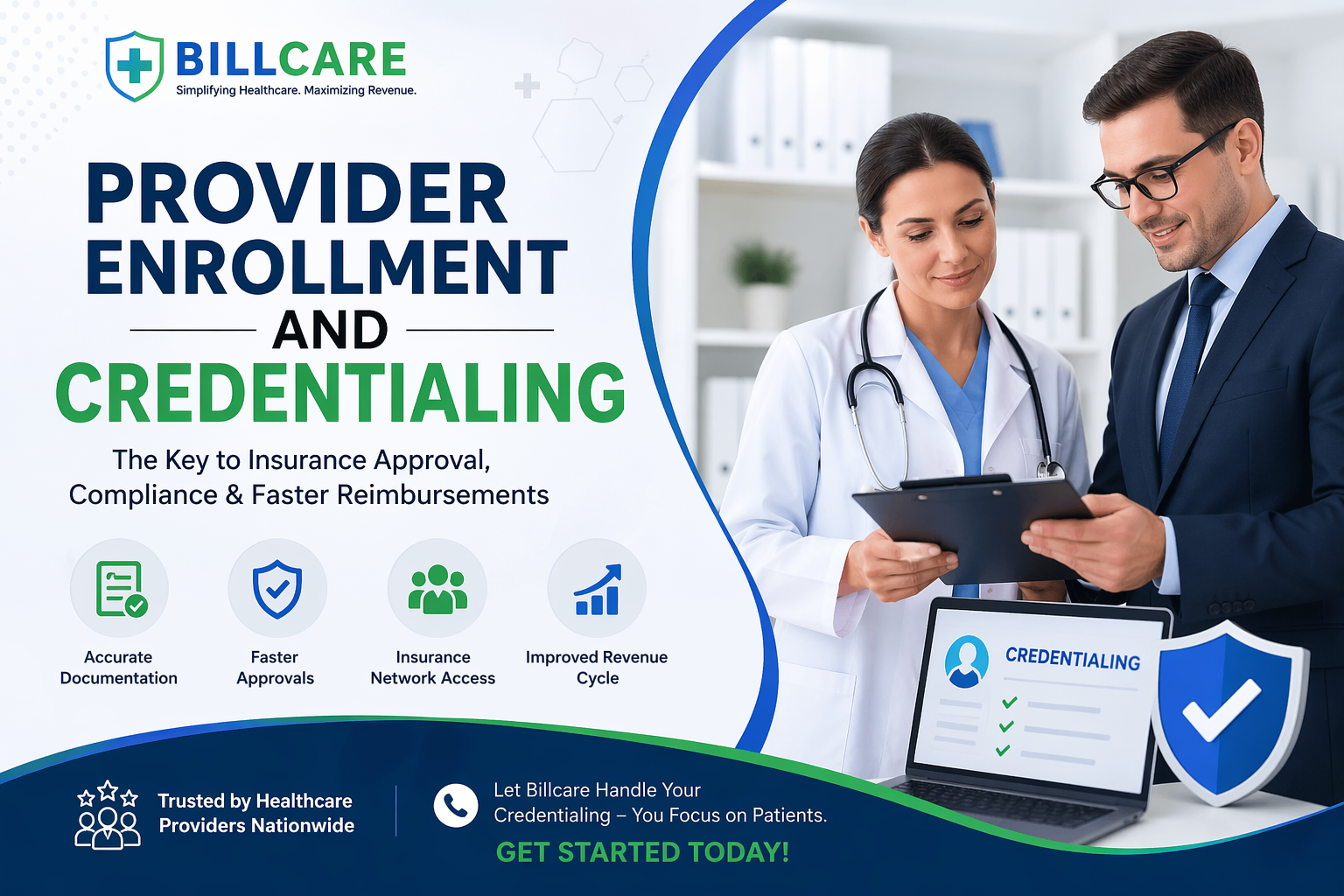
Why US Doctors Need Professional Credentialing Services
In the fast-paced and highly regulated world of healthcare, doctors face an overwhelming number of administrative tasks beyond patient care. Among the most critical yet often overlooked responsibilities is credentialing. Professional credentialing services ensure that physicians and healthcare providers meet all regulatory standards, maintain compliance, and can focus on what truly matters providing excellent patient care.
With the increasing complexity of healthcare regulations and payer requirements, understanding the importance of healthcare credentialing services has never been more vital. In this article, we explore why doctors in the U.S. require professional credentialing services, the advantages of leveraging medical credentialing service providers, and the best strategies for optimizing medical billing processes in modern healthcare.
What Are Credentialing Services and Why They Matter
Credentialing services are the backbone of a compliant and efficient healthcare system. They involve verifying a doctor’s qualifications, licensure, certifications, and professional history to ensure they meet the standards required by hospitals, insurance providers, and regulatory bodies.
For U.S. doctors, credentialing is not just a bureaucratic necessity it’s a critical step for:
- Securing hospital privileges
- Gaining participation with insurance networks
- Ensuring legal and ethical compliance
- Protecting patients from unqualified care
Failing to properly credential can result in denied insurance claims, loss of practice privileges, and even legal liabilities. That’s why many doctors turn to professional healthcare credentialing services to handle the intricate processes efficiently and accurately.
The Benefits of Professional Healthcare Credentialing Services
Engaging professional medical credentialing service providers brings multiple advantages, both immediate and long-term:
- Time Efficiency: Credentialing involves verifying numerous licenses, certifications, and past employment. Outsourcing this task allows physicians to dedicate more time to patient care.
- Accuracy and Compliance: Credentialing experts stay updated with federal, state, and insurance regulations, reducing the risk of errors that can lead to penalties or claim denials.
- Faster Insurance Approvals: Proper credentialing accelerates the approval process with insurance companies, which means quicker reimbursements and smoother revenue flow.
- Peace of Mind: Knowing that credentialing tasks are professionally managed allows doctors to focus on what they do best healing patients.
Moreover, specialized credentialing solutions for therapists are now available, ensuring that mental health professionals also meet all regulatory and insurance requirements. These tailored solutions recognize the unique needs of different healthcare disciplines, offering precision and reliability in every step of the credentialing process.
How Credentialing Services Integrate With Medical Billing
Credentialing and billing are closely connected in healthcare. Without proper credentialing, insurance claims can be rejected, delaying revenue and causing financial strain. Professional medical billing services often combine these processes, creating an integrated approach that enhances operational efficiency.
Doctors and healthcare organizations benefit from this integration by:
- Minimizing claim rejections and resubmissions
- Ensuring compliance with payer requirements
- Streamlining administrative workflows
- Enhancing overall revenue cycle management
It’s important to note the difference between medical billing vs revenue cycle management (RCM). While medical billing primarily focuses on submitting claims and following up on payments, RCM encompasses the entire financial process from patient intake and insurance verification to final payment collection. Credentialing services play a foundational role in both, as accurate provider information is essential for seamless billing and revenue flow.
Best Practices for Medical Billing Efficiency in Healthcare
To maximize financial efficiency and reduce administrative burdens Bill Care healthcare providers should adopt best practices for medical billing efficiency in healthcare. Some of these include:
- Regular Credentialing Updates: Ensure all licenses, certifications, and insurance participation information is current. Outdated credentialing can result in denied claims.
- Automated Verification Systems: Utilize technology for automatic license and credential verification to reduce errors.
- Staff Training: Properly trained billing staff understand payer requirements and credentialing implications, which improves claim accuracy.
- Centralized Documentation: Maintain a secure, centralized system for credentialing and billing documents to facilitate quick audits and compliance checks.
- Outsource When Necessary: Partnering with professional medical credentialing service providers can save time, prevent costly mistakes, and enhance billing efficiency.
Implementing these practices ensures that physicians and healthcare organizations operate at peak efficiency while avoiding costly disruptions due to credentialing errors.
Credentialing Solutions for Therapists and Specialized Providers
While many credentialing services focus on physicians, there is an increasing demand for credentialing solutions for therapists and other specialized providers. Mental health professionals, physical therapists, and occupational therapists face unique requirements from insurance companies and state boards. Professional credentialing services for these providers include:
- License verification across multiple states
- Insurance panel applications
- Background checks and reference verification
- Compliance tracking and periodic re-credentialing
These services help therapists focus on patient care without worrying about administrative hurdles, ensuring they can deliver quality mental and physical health services efficiently.
Common Challenges in Healthcare Credentialing
Even with professional assistance, healthcare credentialing can encounter obstacles, such as:
- Frequent Policy Changes: Payer and state requirements often change, making ongoing updates critical.
- Complex Documentation: Credentialing involves collecting extensive documentation, including diplomas, certifications, work history, and malpractice records.
- Delayed Approvals: Insurance companies may take weeks or months to process applications if information is incomplete or inaccurate.
By partnering with expert healthcare credentialing services, providers can navigate these challenges smoothly, ensuring uninterrupted patient care and revenue flow.
The Future of Credentialing in Healthcare
As healthcare becomes increasingly digital and interconnected, credentialing services are evolving. Advanced software solutions, AI-powered verification, and integrated medical billing platforms are making credentialing faster, more accurate, and more cost-effective.
Doctors and therapists who adopt these modern medical credentialing service solutions will enjoy:
- Faster credentialing approvals
- Reduced administrative workload
- Improved billing efficiency
- Better patient satisfaction
Embracing professional credentialing services today is not just a regulatory necessity it’s a strategic investment in a healthcare provider’s future.
Conclusion
Professional healthcare credentialing services are no longer optional they are essential for U.S. doctors and specialized providers. By ensuring accurate verification, compliance, and integration with medical billing and credentialing, these services save time, prevent costly errors, and enhance overall operational efficiency. Adopting best practices for medical billing efficiency in healthcare and leveraging expert credentialing solutions for therapists empowers providers to focus on their core mission: delivering exceptional patient care.
Investing in professional credentialing today ensures smoother insurance approvals, faster revenue collection, and peace of mind for healthcare providers across the U.S.
FAQ About Healthcare Credentialing Services
Q1: What is the difference between medical billing and credentialing services?
A1: Credentialing ensures a provider’s qualifications, licensure, and insurance participation are verified. Medical billing is the process of submitting claims for reimbursement. Both are interconnected for smooth revenue flow.
Q2: How long does credentialing take for doctors?
A2: Credentialing can take 30–90 days depending on the payer, provider specialty, and documentation completeness. Professional services expedite the process.
Q3: Are credentialing solutions available for therapists?
A3: Yes, many providers offer specialized credentialing solutions for therapists, covering licenses, insurance panels, and compliance requirements.
Q4: How can credentialing services improve medical billing efficiency?
A4: Accurate credentialing reduces claim denials, ensures up-to-date provider information, and streamlines billing processes, improving revenue cycle management.
Q5: Why should I outsource credentialing services?
A5: Outsourcing saves time, reduces errors, ensures compliance, and allows doctors to focus on patient care rather than administrative tasks.